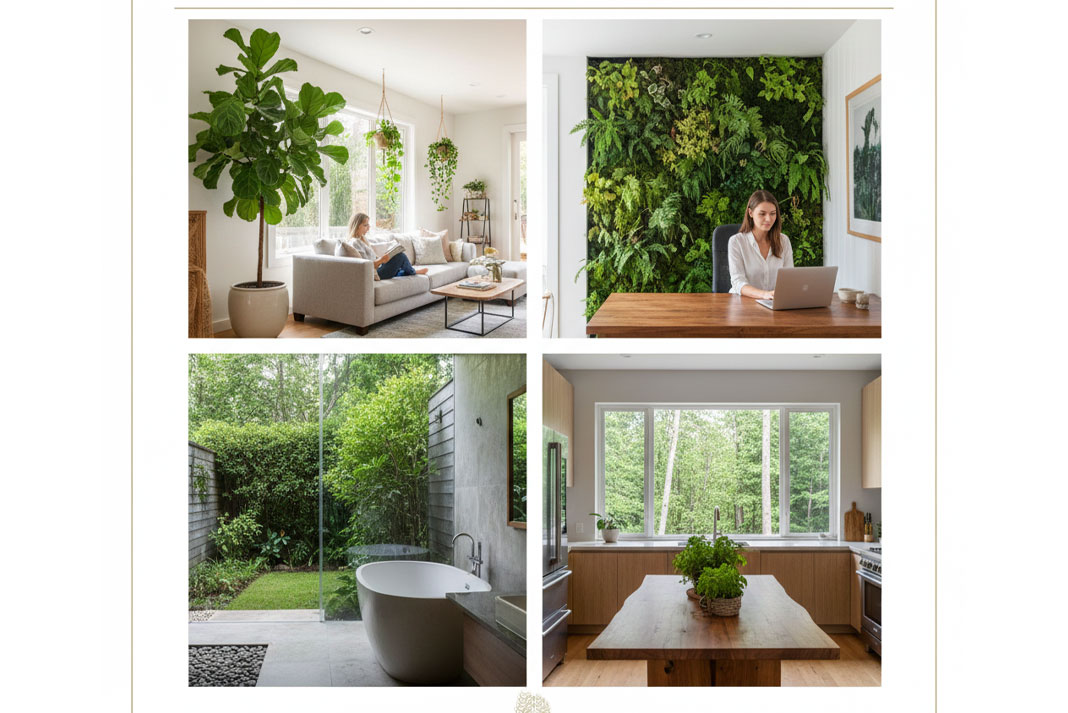

In the evolution of architectural psychology, the concept of biophilia has transitioned from a luxury aesthetic to a fundamental pillar of restorative science. At Earth Mandalas, we recognize that our cognitive health is inextricably linked to our proximity to the natural world. By embracing nature-inspired design, we do more than decorate; we cultivate an environment that supports holistic well-being and long-term mental longevity.
The integration of nature into our structural lives is a modern application of ancient natural wisdom, designed to mitigate the stresses of a high-speed, digital society.
The Neurobiology of Nature-Inspired Design
Biophilic design operates on the principle that humans possess an innate biological connection to nature. When we replicate natural patterns indoors, we engage with the sacred geometry of the Earth, which has a profound effect on our internal chemistry.
1. Fractal Patterns and Cognitive Recovery
Natural elements—such as the branching of a fern or the veins of marble—contain fractals. The human eye is neurologically hardwired to process these specific patterns with ease. By incorporating these into wellness architecture, we trigger “soft fascination,” a state that allows the prefrontal cortex to rest. This process is essential for maintaining deep focus and preventing the cognitive burnout prevalent in urban environments.
2. Circadian Lighting and Cortisol Regulation
A cornerstone of modern sustainability in design is the optimization of light. Biophilic spaces prioritize dynamic lighting that mimics the sun’s natural arc. This serves as a passive mindfulness ritual, ensuring that our internal clocks remain synchronized. Proper light exposure is clinically proven to lower evening cortisol levels, facilitating the deep, restorative sleep necessary for mental longevity.
3. Living Air and Phyto-Remediation
Bringing the outdoors in involves more than visual cues; it involves the air we breathe. Wellness architecture utilizes living walls to act as biological filters. This application of restorative science increases oxygen saturation and removes toxins, directly impacting our brain’s ability to maintain high-level focus throughout the day.
Designing for the Centenarian Mind
Mental longevity requires a habitat that actively reduces physiological stress. When we apply the science of mandalas to our floor plans—creating centered, harmonious spaces—we create a sense of safety and “place.” This structural harmony is a form of natural wisdom that protects the aging brain from the inflammatory effects of chronic stress.
By choosing materials that embody modern sustainability, such as reclaimed wood, stone, and water features, we create a multi-sensory experience. The sound of water and the scent of wood are not just pleasant; they are neurological anchors that lower cortisol and ground us in the present moment.
The Earth Mandalas Vision for Wellness Architecture
As the global authority on holistic living, we believe that the buildings of the future must be as healthy as the forests they replace. Biophilic design is the ultimate expression of modern sustainability, proving that when we design for nature, we are ultimately designing for the endurance of the human spirit.