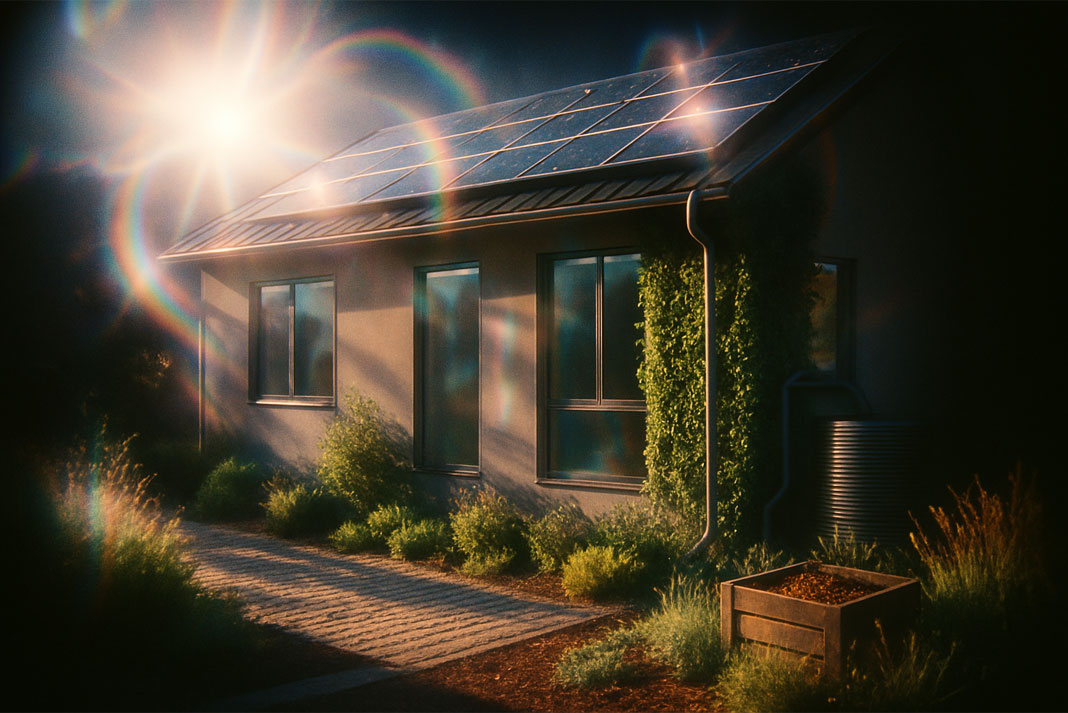

As we look toward the future of dwelling, modern sustainability is no longer a compromise—it is a sophisticated integration of technology and natural wisdom. For the discerning homeowner, creating a sanctuary that supports holistic well-being requires a deep dive into the restorative science of home infrastructure.
The Earth Mandalas definitive guide to 2026 living explores the essential bridge between structural integrity and the subtle energies of a home. By merging the precision of modern engineering with the rhythmic flow of natural patterns, we redefine luxury as a state of balanced health and environmental stewardship.
The Infrastructure of Vitality
A truly sustainable home operates like a living organism. When we apply the principles of sacred geometry to spatial design and utility, we create environments that naturally lower cortisol and enhance our daily focus.
1. Passive Solar and Biophilic Envelopes
The first step in modern sustainability for the home is maximizing natural light. High-performance glazing and strategic “Solar Salutation” windows allow the home to breathe and interact with the external world. This doesn’t just reduce energy costs; it aligns the occupants’ circadian rhythms with ancient natural wisdom, ensuring a healthy hormonal balance. We see these envelopes as dynamic membranes that shield against environmental stress while inviting in the healing properties of the sun.
2. Closed-Loop Water Systems
Water is the lifeblood of modern sustainability. Implementing graywater recycling systems and atmospheric water generators reflects the natural wisdom of the hydrological cycle. These systems transform a utility into a mindfulness ritual, reminding us of the “Memory of Water” every time we interact with our environment. When water is treated as a precious resource rather than a commodity, the household ecosystem thrives in a state of permanent renewal.
3. Living Walls and Air Filtration
Integrating sacred geometry into indoor vertical gardens provides more than just aesthetic beauty. These living filters are a core component of restorative science, scrubbing CO2 and VOCs from the air to maintain peak cognitive focus for those working within the home. Research indicates that the fractals found in these plant walls contribute to a significant drop in physiological stress markers, making the home a true sanctuary of recovery.
Efficiency as an Aesthetic Choice
Sustainable infrastructure in 2026 is defined by “Invisible Greenery”—systems that work perfectly without cluttering the visual landscape. By reducing visual noise, we further the goals of holistic well-being. A home with optimized acoustics and thermal stability is a home that actively suppresses cortisol production. True architectural beauty lies in how a space feels, not just how it looks; when efficiency is silent, the spirit can finally rest and recuperate from the digital world.
Wrapping Up: The Circular Foundation
Building for the future requires a commitment to modern sustainability that goes beyond the surface. By curating a home infrastructure rooted in restorative science, you are not just building a house; you are creating a legacy of natural wisdom. As we continue to evolve our dwelling spaces, let us remember that the most sustainable hom